Ancestral foundation
HINA Natural Farming
Growing sacred food is a kākou thing.
Hawaiian Indigenous Natural Agriculture brings ancestral ʻike, cultural protocol, close observation, and natural farming practice together in service of ʻāina and community.
HINAHawaiian Indigenous
Natural Agriculture
Natural Agriculture
ʻĀina · ʻike · observation · relationship
A practice rooted here
Hawaiian knowledge
at the center.
HINA stands for Hawaiian Indigenous Natural Agriculture. It recognizes that Hawaiʻi’s ancestors already held sophisticated systems for producing food from mauka to makai.
The practice honors generational kupuna ʻike and cultural and spiritual protocols while also drawing from the scientific methods Master Cho of Korea shared through Korean Natural Farming. HINA does not treat those methods as a stand-alone system; it places them in relationship with the ahupuaʻa, the people, and the responsibilities of growing food in Hawaiʻi.
Living methodology
Observation meets natural farming
Scientific understanding shared through Korean Natural Farming is held in relationship with Hawaiʻi’s own ahupuaʻa systems and ways of knowing.Sacred responsibility
Food carries more than yield
Cultural and spiritual protocols shape a practice focused on producing nourishing food with mana for families, farms, and community.Knowledge stays in motion
A class becomes
a living cohort.
HINA is designed as an ongoing community practice—not a single workshop. Families learn together, make amendments together, and keep returning to observe and grow together.
Learn as a family
Each registrant may bring up to three family members so more than one person carries the ʻike home.
Make the solutions together
The cohort prepares natural farming amendments in shared batches and divides the finished solutions among participating families.
Return every 40 days
Participants gather again for pour-offs, new batches, shared observation, and continued practice beyond the first class.
Apply, kilo, and share
Families use the fertilizers in farms and backyards while staying connected so questions and observations benefit the whole group.
The multiplier
Small batches.
Long reach.
The Haleʻiwa cohort materials describe a model built to multiply both practical resources and community knowledge.
From the field
The people and process
belong in the frame.
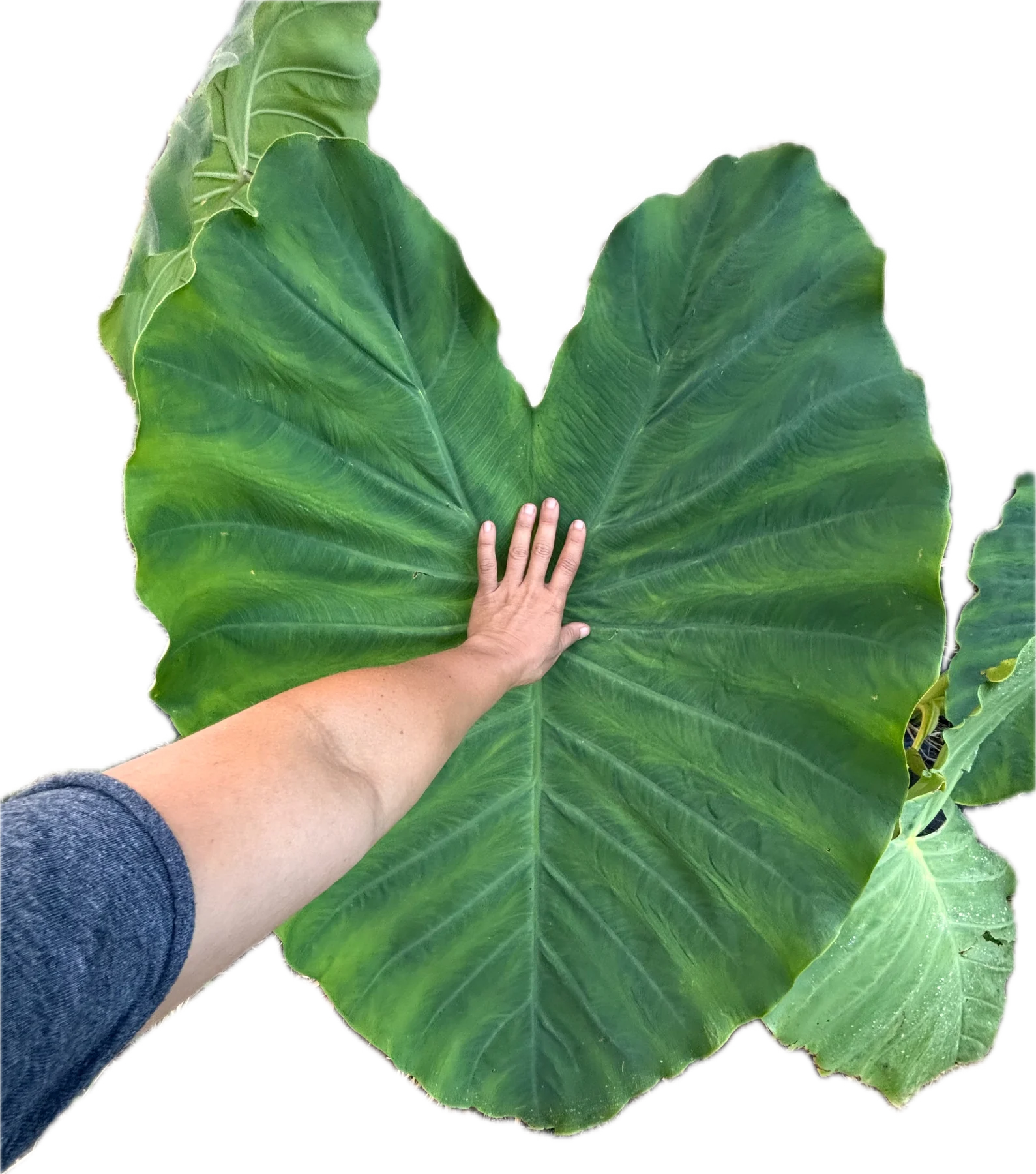
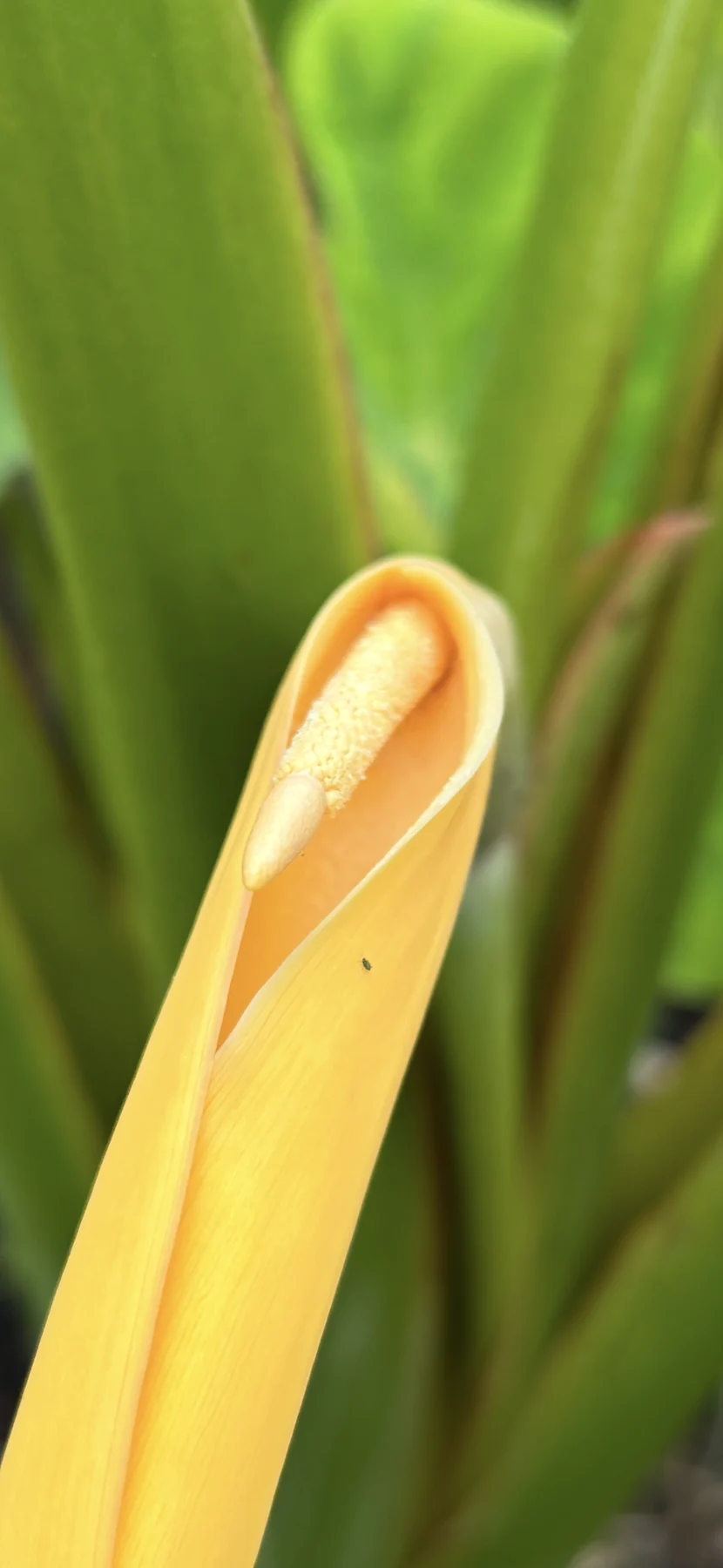
Close observation begins with relationship: seeing what is growing, noticing how it responds, and returning to the ʻāina with care.
Continue with HINA
Long live the
natural farmer.
Current cohort dates, locations, pricing, and registration availability should be confirmed directly with HINA Natural Farming.
Visit HINA Natural Farming alikaatay@gmail.com(808) 268-2996HINA Natural FarmingPO Box 3075
Wailuku, Hawaiʻi 96793